I Automated the Entire SDLC With AI Agents
Author
Hector C. Ortiz
Date Published
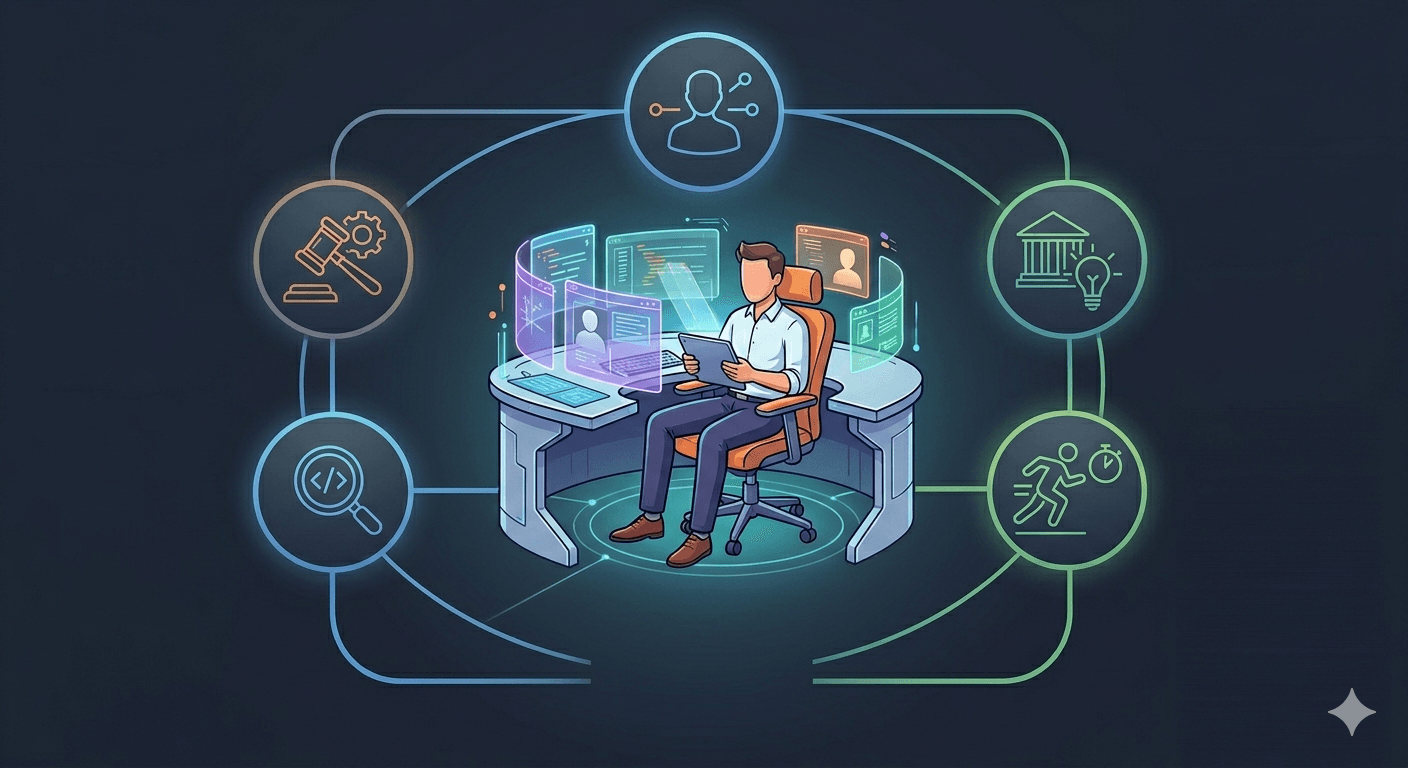
AI is here to stay. And AI agents specifically are going to fundamentally change how we work.
For my last post, I didn't just prompt an AI and hope for the best. I automated the entire software development lifecycle with AI agents. Every phase. Every document. Every line of code. I was the human in the loop, sitting at the center of the operation, passing work from one agent to the next.
The Team
🗂️ Project Manager Took the idea and turned it into a full Product Requirements Document with detailed specifications. Then broke the whole thing down into epics and stories. Organized and thorough.
🏛️ Software Architect Read the PRD, evaluated the technical options, picked the best ones, and produced a full architecture document complete with tradeoffs and reasoning. Didn't schedule a single meeting to do it.
🏃 Scrum Master Took the epics from the PM, planned the sprint, and wrote fully detailed stories for the developer. Each story had everything needed to implement it, context, acceptance criteria, the works. Developers everywhere are weeping.
💻 Developer Picked up the stories one by one, implemented the code, and then reviewed its own work. It caught its own bugs. It flagged its own issues.
The CEO (Me) Approved decisions, nudged agents in the right direction, and occasionally said "yes, that looks good." Exactly like a real CEO, except I also made the coffee.
The result? A fully trained Reinforcement Learning model, an entire codebase, and zero meetings.
Did It Work?
Honestly, better than I expected. I went into this with a basic understanding of how reinforcement learning works, enough to be dangerous, not nearly enough to build it from scratch. My original plan was to do it all myself. That plan would have involved months of reading, learning, experimenting, and probably a small existential crisis somewhere around week three.
Instead, the agents handled the hard parts. I handled the direction. The whole thing got done in a fraction of the time.
What's Next?
I want to take the human out of the loop entirely.
For my next post, I'm building an orchestration agent, a meta-agent that does what I did manually: coordinate the PM, the Architect, the Scrum Master, and the Developer, pass work between them, and drive a project from idea to working code with no human intervention. Then I'm going to give it a problem that's actually hard and see what happens.
Stay tuned. This is getting interesting.
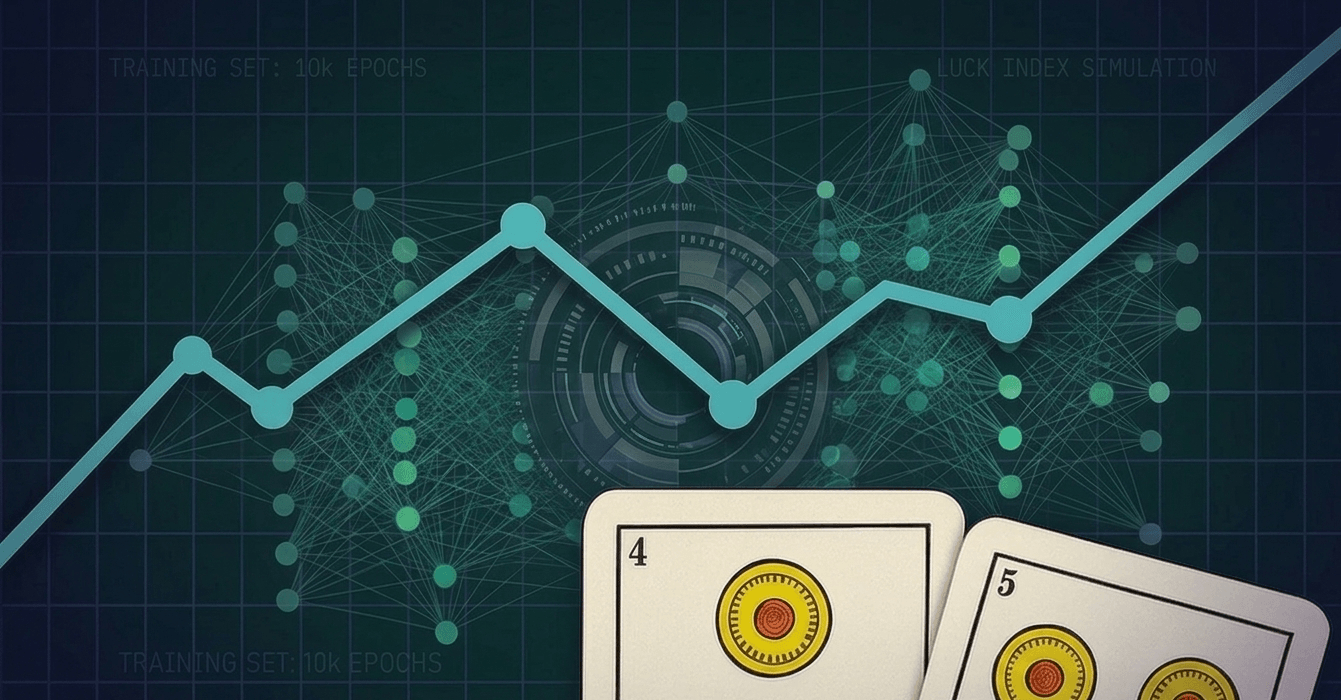
Part 2: I Trained an AI to Measure Luck in Brisca
How skill-based is Briscas? I trained an RL agent to play optimally and one to lose on purpose. Skill matters in ~63% of games — the rest is luck.